Vinyl Siding vs. James Hardie: What’s the Real Difference?
If you are replacing the siding on your home, the decision almost always comes down to two options: standard vinyl siding or James Hardie® fiber cement.
At first glance, both can look clean and attractive from the driveway. However, beneath the surface, they are fundamentally different materials engineered for different performance tiers, lifespans, and budget targets.
Here is the straightforward breakdown of how vinyl and James Hardie compare on durability, appearance, maintenance, total cost, and long-term return on investment across southeastern Pennsylvania, South Jersey, and Northern Delaware homes.
THE SHORT ANSWER
We install both, and we recommend James Hardie for every home we side, including rentals and homes you plan to sell in a few years. Vinyl costs less on the day it goes on. Hardie doesn’t crack, warp, fade, or melt, it carries a 30-year non-prorated warranty, and buyers read it as a premium exterior. Our published starting prices are $4,000 apart, and our installation process is a big reason the gap is that small. The rest of this page is the evidence.
1. Material Composition & Thermal Expansion
The core difference begins with what the siding is actually made of:
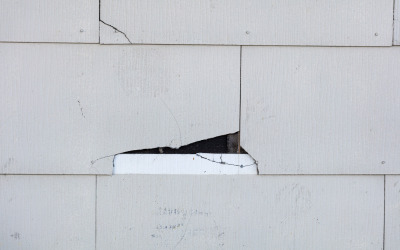
- Vinyl Siding: Polyvinyl chloride (PVC) resin. It is lightweight and flexible, but expands and contracts significantly as temperatures shift between hot summers and freezing Pennsylvania, New Jersey, and Delaware winters. When installed too tightly, vinyl buckles or warps; when exposed to extreme exterior heat (such as reflected sunlight from low-E windows), vinyl can melt or sag.
- James Hardie® Fiber Cement: A heavy composite blend of Portland cement, sand, cellulose fibers, and water. It is dense, rigid, and dimensionally stable. Because it does not expand and contract like plastic, joints stay tight, shadow lines remain straight, and extreme Mid-Atlantic temperatures resist warping, buckling, or heat deformation.
2. Durability & Weather Resistance
Both materials protect your home from precipitation, but they handle impact, severe weather, and fire very differently:
| Feature | Premium Vinyl Siding | James Hardie® Fiber Cement |
|---|---|---|
| Heat & Fire | Can soften and distort from high heat | Non-combustible, will not melt |
| Pest & Wood Rot | Impervious to rot; pests can nest behind | Highly resists rot, woodpeckers, and carpenter bees |
| Impact Resistance | Can crack or puncture under severe hail/branches | Highly impact-resistant masonry composite |
| Freeze-Thaw Cycles | Can become brittle in extreme sub-zero cold | Engineered for PA, NJ, and DE freeze-thaw cycles |
3. Curb Appeal & Architectural Depth
How your home looks from the street depends heavily on material thickness and shadow lines:
- Vinyl Siding: Typical vinyl panels are thin (around 0.040″ to 0.046″ thick). While modern wood-grain embossing looks good, vinyl panels overlap with hollow gaps underneath, giving the facade a lighter, artificial feel.
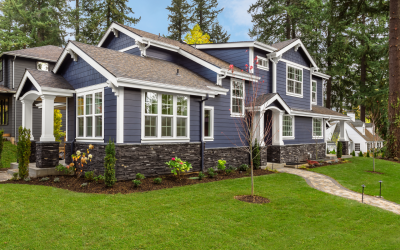
- James Hardie® Siding: HardiePlank® lap siding is 0.312″ thick—roughly five times thicker than vinyl. This extra thickness creates deep, natural shadow lines that replicate real painted wood cladding. Furthermore, Hardie’s factory-baked ColorPlus® Technology provides rich color retention that resists fading, chipping, and peeling far longer than field-applied paint or standard vinyl dye.
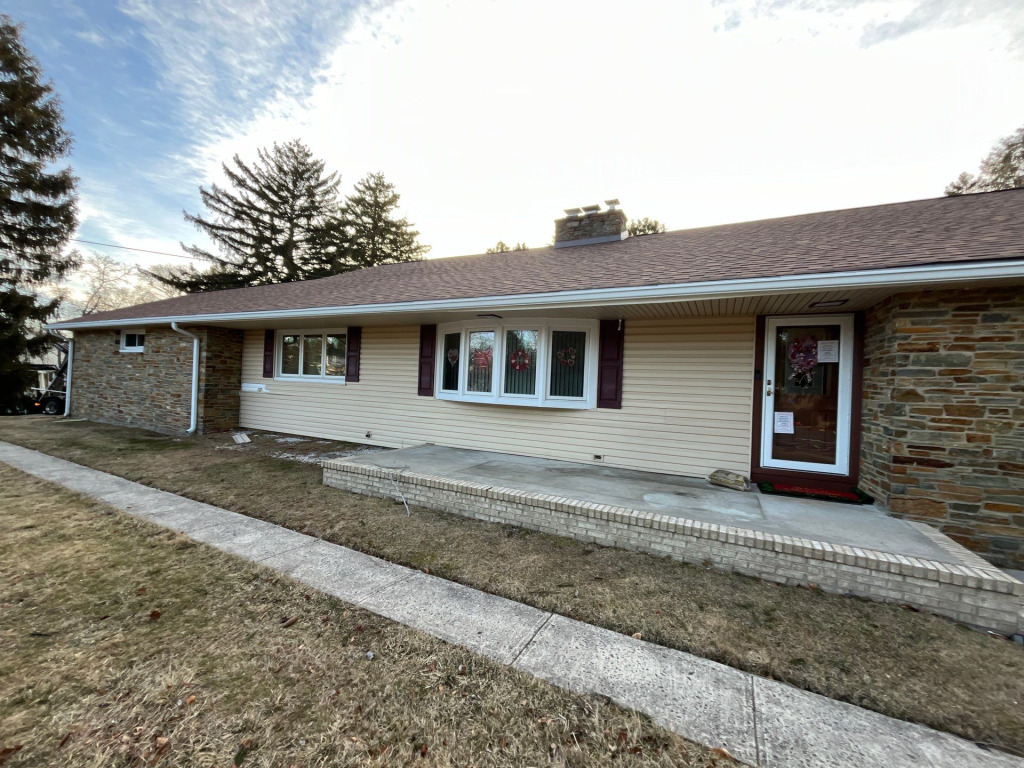
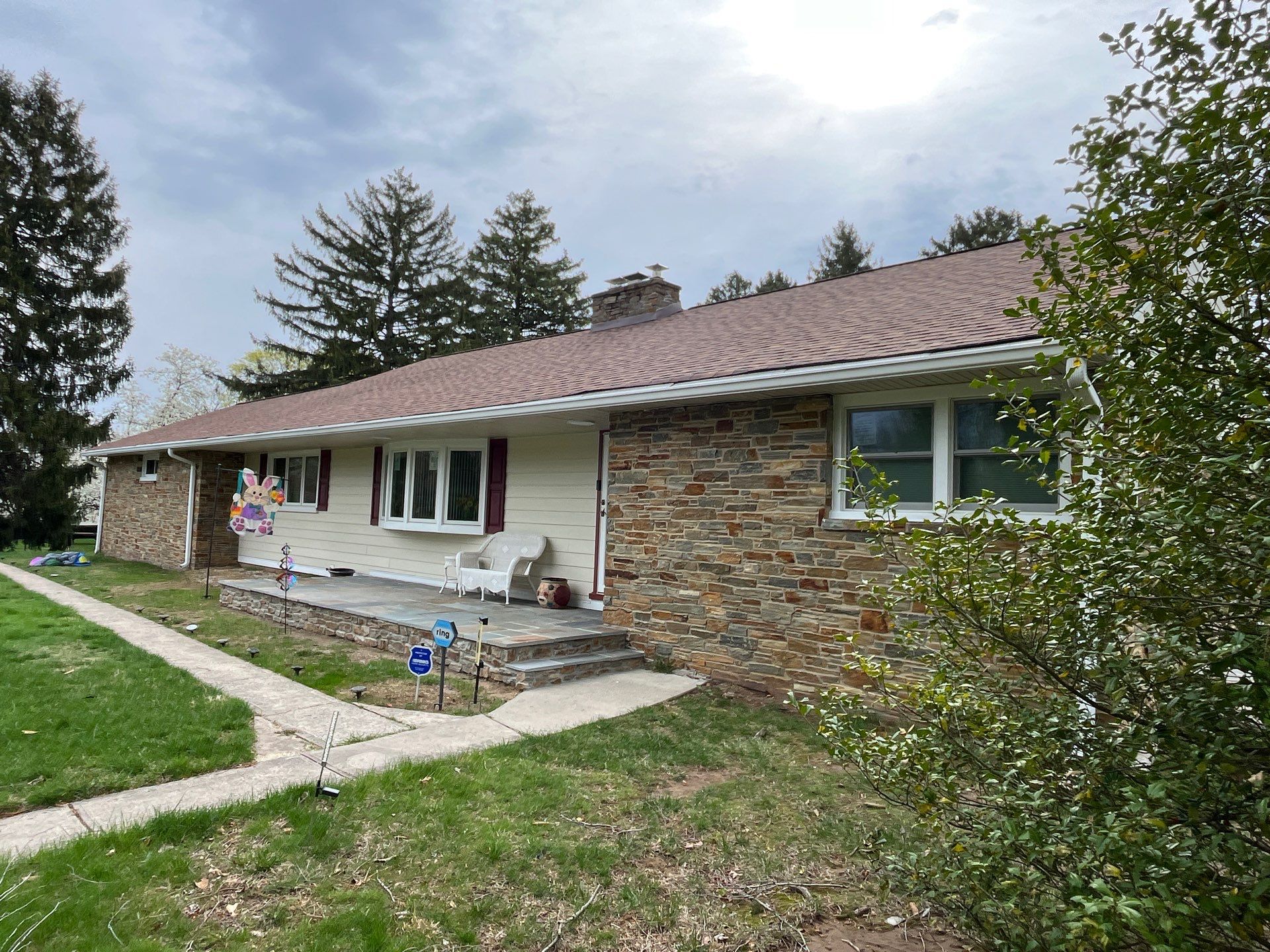
BEFORE
AFTER
4. Installed Cost & Long-Term Value
Cost is usually the deciding factor, and judging the upfront price without the lifespan leads to bad math. Here are our real ranges:
- Vinyl siding: $18,000 to $46,000 installed, depending on home size.
- James Hardie fiber cement: $22,000 to $70,000 or more installed.
That’s a $4,000 difference at the starting point. We install more James Hardie siding than any other company in the Northeast, and we’ve spent years making our crews efficient at it: consistent training so they handle and cut fiber cement without wasting material or time, a standard jobsite setup, and a team that works together on Hardie every day rather than now and then. Efficient crews mean fewer labor hours, and fewer labor hours are why the gap on a Porter quote is smaller than most homeowners expect. Financing is available with monthly payments as low as $199 with approved credit.
Long term, fiber cement siding replacement consistently ranks among the highest-return exterior projects at resale in the national Cost vs. Value report, and a Hardie exterior still looks new at year fifteen instead of faded and slightly warped.
Comparing Exact Project Pricing?
Installed costs depend on home height, wall prep, sheathing repairs, and trim options. Explore current itemized cost ranges with our Pennsylvania Siding Cost Calculator or New Jersey Siding Cost Calculator.
See Hardie vs. vinyl on your own home
Want to see how James Hardie lap siding or board and batten would look on your home compared to vinyl? Test real profiles and ColorPlus® finishes on a 3D model of your house.
5. Maintenance Requirements
- Vinyl Siding: Requires minimal maintenance—typically an annual wash with a hose or soft pressure wash to remove surface dirt and mildew. It never requires painting, but faded vinyl cannot easily be repainted without risk of heat absorption and warping.
- James Hardie Siding: HardiePlank® lap siding is backed by a 30-year non-prorated product warranty, while ColorPlus® factory finishes carry a 15-year finish warranty against peeling, chipping, and cracking. Maintenance involves an annual hose-down and periodic caulk inspections at joints and trim intersections over the decades.
6. Why the Installer Matters
Regardless of which material you select, installation quality determines how long your siding lasts. Incorrect nailing, missing weather barriers, or poor flashing behind the wall will cause any siding system to fail.
Porter Family Exteriors is a certified James Hardie Elite Contractor and the only company in the Northeast to win both the James Hardie President’s Club and the James Hardie Service Excellence Award, two years running, with a 5-star Google rating across all three of our office locations.
Our recommendation is Hardie, but either way, our crews tear the old materials down to the sheathing, repair hidden moisture damage, and install a complete weather-tight envelope, backed by 50 years of work in this region.
We serve homeowners across Delaware, Chester, Montgomery, and Bucks counties in PA, Camden, Burlington, and Gloucester counties in NJ, and New Castle County in DE from our offices in Media, Willow Grove, and Cherry Hill.
Frequently Asked Questions
Schedule Your Siding Consultation
Call (610) 461-1118 or request a free quote online. The consultation takes about an hour at your home, and you’ll have a firm price before we leave. Want to see Hardie on your house first? Try the 3D Design Tool or download the James Hardie Siding Guide.