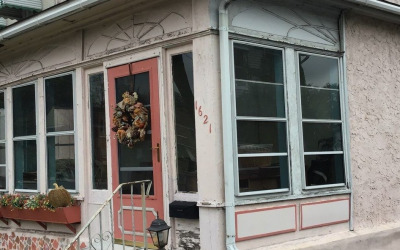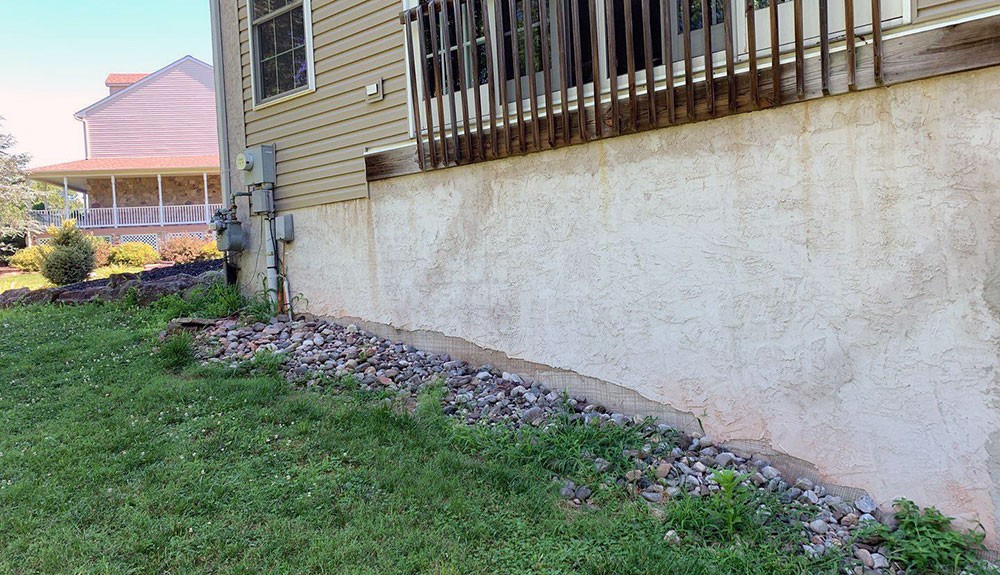
Properly installed stucco should remain in good condition for years. However, if it was not installed correctly, problems can arise. The sooner you identify these issues, the better! Early intervention prevents minor stucco problems from becoming major ones—saving you time, hassle, and money. Detecting stucco issues early helps preserve both your home’s structural integrity and curb appeal. Read on to discover the subtle indicators of stucco issues that, if left unchecked, can lead to costly repairs.
What to Watch for If Your Pennsylvania Home Has Stucco
Stucco damage can be caused by extreme weather, moisture intrusion, improper installation, pests, and aging. The freeze-thaw cycle can be particularly harsh on stucco, causing it to expand and crack, making it vulnerable to water infiltration. Be on the lookout for the following signs of stucco issues:
Small Cracks
Cracks may emerge in your stucco, particularly near your windows and the corners of your exterior. This classic problem can be caused by settling, structural movement, or temperature fluctuations.
Bulging
If your stucco siding starts to bulge, it’s a sign of underlying damage and should be addressed by a contractor swiftly.
Chipping and Flaking
If stucco starts to lose its cohesion, it will begin to chip and flake. This is an early sign of stucco issues and should be taken seriously.
Bubbles and Blisters
When moisture moves behind a stucco wall and causes swelling, bubbles and blisters in siding are the result. This is typically the byproduct of faulty installation, missing flashing, or lack of regular upkeep for stucco.
Stains
Stains are a sign of moisture infiltration. Take time to find the cause of the stains so you can address them accordingly. Did they appear from mineral deposits in water, water runoff, or another source? Adjusting your irrigation system may prevent stains from occurring in the future. Clean mineral deposits with a stucco-friendly acidic cleaner, and remove organic stains with a bleach solution to revive the look of your exterior and prevent more damage.
Crumbled Stucco
If stucco was improperly installed or has suffered water damage, it may begin to crumble. It is essential to address this issue promptly with a qualified siding contractor. Delaying repairs will only result in greater costs and more extensive damage.
Insects
If small holes appear in your stucco—possibly accompanied by insect droppings—you may have a pest infestation. Termites, carpenter ants, and other critters can cause significant damage. Addressing the pest issue is critical to prevent further deterioration.
Water Infiltration
Water streaks or a hollow sound when tapping on stucco may indicate moisture intrusion and hidden damage. Moisture intrusion is a huge risk for your stucco, potentially leading to mold, mildew, wood rot, and compromised structural integrity. Addressing the source of water entry is essential to prevent extensive damage.
Impact Damage
Is your stucco dented or chipped due to flying debris from a storm or a rock propelled by your lawnmower? These imperfections not only affect your home’s aesthetics but also create vulnerabilities that allow moisture to seep in. If your stucco has sustained significant impact damage, contact a siding contractor for repairs.
Moss and Mold Growth
Too much moisture creates moss and mold growth on your stucco. Poor drainage, inadequate ventilation, and landscaping that shades the stucco can all contribute to this issue. Cleaning moss or mold with a mild bleach solution can help, but addressing the root cause will prevent it from recurring.
Soft Spots
Soft spots in stucco indicate water damage and may suggest structural issues within your home. It is crucial to consult a siding contractor to address the problem before it worsens.
Proper Stucco Maintenance to Prevent Problems
While stucco is a durable material, regular maintenance is essential to maximize its lifespan and prevent costly repairs. Here are some vital maintenance tips:
Perform Routine Home Maintenance
Keeping your home’s exterior well-maintained will help prevent stucco damage.
Conduct Regular Inspections
Each spring, fall, and after severe storms, walk around your home’s exterior to inspect the siding. If you notice any early signs of stucco damage, contact a reputable contractor for a professional inspection. Additionally, schedule an annual assessment by an experienced siding contractor (like us!) to catch potential problems before they escalate.
Keep Gutters Free of Debris
Check your gutters in the spring and fall to ensure they are free of leaves, twigs, and other debris. Consider installing gutter guards to reduce maintenance and prevent clogs. A properly functioning drainage system helps prevent water from pooling near your home’s foundation and causing stucco damage.
Ensure Windows and Doors Are Sealed
Apply high-quality sealant around windows and doors to prevent moisture penetration and protect your stucco from water damage.
Trim Trees and Shrubs
Keep trees and shrubs near your home trimmed back to prevent them from rubbing against your stucco siding. This simple step can help you avoid costly exterior damage.
Get Reliable Stucco Remediation Solutions for Your Philadelphia Area Home
Is your stucco harboring mold, rot, and water damage under it? If your stucco system is failing, professional intervention is vital to prevent more costly problems. At Porter Family Exteriors, we have been family owned and operated since 1976. As a local contractor, we provide stucco remediation to eliminate stucco failure for good so you can be confident in your home’s value, beauty, and durability.
Stucco remediation is a smart investment that will save you money and time in the long run. Learn more about how our stucco remediation services can fix your home’s underlying damage and install durable siding so you never have to deal with stucco issues again.