

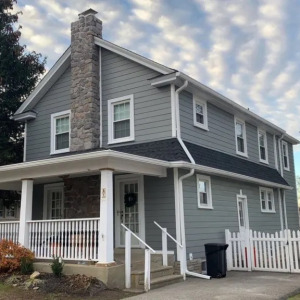
If your home was built before 1980 and still has its original siding, there’s a real chance it’s asbestos. You usually can’t confirm it by looking, and the wrong move, like pressure washing or scraping it, is exactly what turns a stable material into a health risk. Here’s the short answer on how to identify…
Articles By: Justin Porter
Why a Quick Asbestos Siding Estimate May Not Tell the Full Story
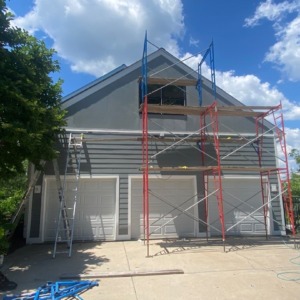
If your home has original asbestos siding, getting a quick price quote from a contractor can be tempting. The issue is that a fast, top-level estimate almost always assumes ideal site conditions. Because asbestos siding hides what is happening behind the panels, a quick walkaround rarely reflects the actual cost to replace asbestos siding on…
Hardie Plank vs. Hardie Board: What’s the Difference?
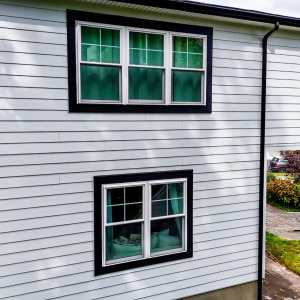
“Hardie board” is not a product name. It is a catch-all homeowners use for any James Hardie® fiber cement siding. The two products you are almost certainly choosing between are HardiePlank® lap siding, which runs horizontally, and HardiePanel® vertical siding, which creates the board-and-batten look. If you searched this topic and came away more confused…
How to Compare Siding Contractor Bids When The Numbers Don’t Match
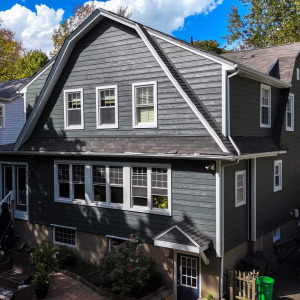
You have three siding bids on your kitchen table and they’re thousands of dollars apart. You’re probably wondering if the high bid is ripping you off or if the low bid is missing something. Here’s the honest truth about why siding quotes never match. The difference is almost never about profit margin. It’s about what’s…
Hardie vs. Reality: What’s Actually Hiding Inside Your Fiber Cement Quote?
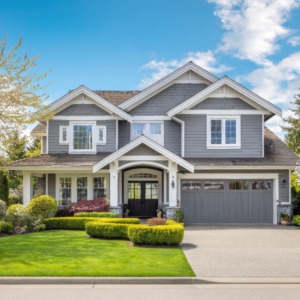
Most James Hardie siding quotes look like a number. They’re not. They’re a stack of decisions someone already made for you, buried in a single line item. Before you sign, you need to know what’s driving that price and what the quote isn’t telling you. What James Hardie Siding Actually Costs in the Philadelphia Area…
Double-Hung Windows Demystified: The Ultimate Guide to Your Next Upgrade
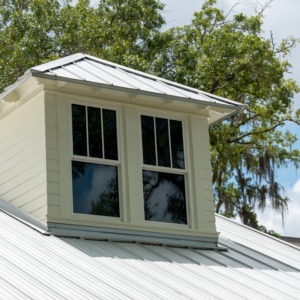
Most homeowners picking between single-hung vs. double-hung windows focus on price and miss the decision that actually matters: where the window is installed and who has to clean it. A single-hung window has a fixed top sash and one operable bottom sash. A double-hung window lets both sashes slide independently. For any window above the…
How to Check for Moisture Behind Stucco Before it Causes Real Damage
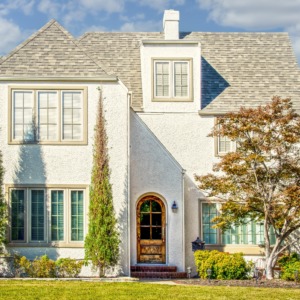
Most homeowners don’t realize their stucco is failing until the wood framing underneath has already started to rot. If you live in a home built between 1990 and 2010 in the Philadelphia area or South Jersey, the question usually isn’t whether you have moisture behind your stucco. It’s how much. The short answer: walk the…
Is Your Roof Suffocating? How to Spot Ventilation Problems in 5 Minutes
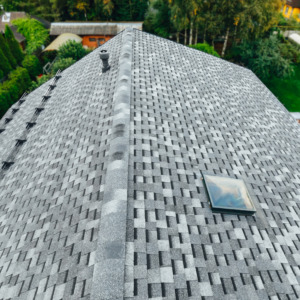
Most Philadelphia-area roofs have a ventilation problem, and most homeowners have no idea. The damage doesn’t start at your shingles. It starts in your attic, where trapped heat and moisture quietly rot the roof deck, warp framing, and shorten a roof’s lifespan by years before a single shingle shows a symptom. Here’s what proper roof…
The $500 Part That Could Kill Your $15,000 Warranty: Roof Ventilation Costs Explained
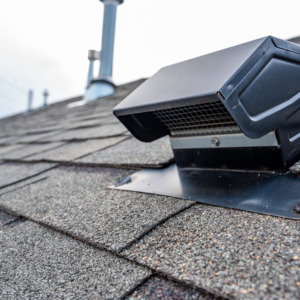
Here’s what most roofing conversations skip: the vent. It’s a $300 to $650 part – and if it’s wrong, it can void the warranty on a $15,000 roof. In older Philadelphia-area homes especially, poor attic ventilation is one of the most common and costly oversights in roofing. This post explains what roof vent installation actually…
Don’t Regret It Later: 5 Board and Batten Mistakes That Ruin Your Curb Appeal
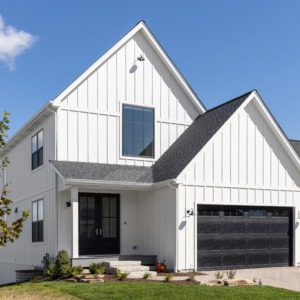
What is Board and Batten Siding? Board and batten siding is a vertical siding style that uses wide panels (boards) with narrow strips (battens) covering the seams to create deep shadow lines, strong visual texture, and architectural height. It works best on homes with clean wall planes and balanced proportions. It most often fails when…
- 1
- 2
- 3
- …
- 8
- Next Page »
