If your home has original asbestos siding, getting a quick price quote from a contractor can be tempting. The issue is that a fast, top-level estimate almost always assumes ideal site conditions. Because asbestos siding hides what is happening behind the panels, a quick walkaround rarely reflects the actual cost to replace asbestos siding on Philadelphia-area and South Jersey homes.
An initial, quick estimate usually relies on basic exterior math: visible square footage, general siding condition from the driveway, basic material assumptions, and quick measurements. While this gives you a rough starting point, it only covers what can be seen from the surface. It ignores the hidden variables that directly impact your budget.
THE SHORT ANSWER
- What a quick estimate covers: Surface square footage, basic material costs, and a standard tear-off assumption.
- What a quick estimate misses: Hazardous disposal fees, dedicated project management, structural sheathing rot, and improper wall leveling required for new siding.
- The Porter Family Exteriors difference: We do not cap over asbestos. We follow strict containment protocols, manage disposal through licensed hazardous landfills, and evaluate the sheathing underneath before putting a final scope in writing.
What Does an Initial Siding Estimate Actually Cover?
When a contractor pulls up to your home and gives you a quick quote on the spot, they are relying on limited exterior observations. Typically, that includes:
- Visible Square Footage: Calculating wall height by length without accounting for architectural trim details or waste factors.
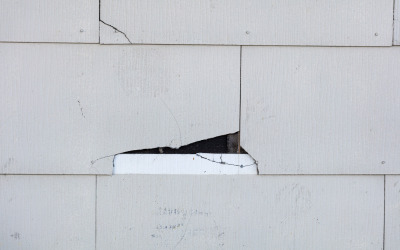
- General Siding Condition: Noting visible cracks or missing tiles without evaluating structural integrity.
- Basic Material Assumptions: Applying a standard price per square foot for basic replacement materials.
This approach works fine for a simple vinyl-on-vinyl tear-off. However, asbestos cement siding, popularly installed across Mid-Atlantic homes between the 1930s and 1970s, is a completely different beast.
What Project Details Are Hidden Behind Asbestos Siding?
Asbestos siding panels, often referred to as transite tiles, are rigid, heavy, and brittle. Because they were fastened directly over wood sheathing or old wood shingles decades ago, they completely seal off the wall cavity from sight. Until the project begins and panels are carefully removed, several critical factors remain unknown:
- Hidden Moisture Damage: Asbestos siding itself highly resists rot, which creates a false sense of security. However, water frequently seeps behind hairline cracks, aged seams, or failed caulking over decades. This creates pockets of rotted wall sheathing, degraded framing, or active structural damage that cannot be diagnosed from the lawn.
- Outdated Flashing and Trim: Older exterior installations rarely feature modern house wrap or step flashing. Window casings, door trims, and corner posts often require full replacement to integrate with a modern weather-resistive barrier.
- Access and Site Constraints: Narrow side yards in Philadelphia rowhouses, steep rooflines on Colonial homes in Montgomery County, or tight property lines in South Jersey neighborhoods restrict equipment access. Setting up safety zones in tight spaces requires additional labor hours that quick estimates routinely miss.
How Does Asbestos Siding Removal Affect Project Cost?
The presence of asbestos fundamentally changes how a siding project is executed. Standard siding tear-offs involve ripping off vinyl or wood with pry bars and dropping it into an open dumpster. Asbestos siding removal and replacement requires a much higher level of care, specialized equipment, and trained personnel.
Most local contractors avoid asbestos removal entirely and will simply propose capping over the old tiles with new siding. At Porter Family Exteriors, we do not take shortcuts that trap potential hazards underneath.
Our certified team follows strict containment and handling protocols to carefully unfasten and remove transite tiles while actively minimizing dust and exposure for both your family and our crew. We place a dedicated on-site project manager on every job from start to finish to enforce quality control, job site safety, and proper environmental standards. Removed materials are securely bagged and sealed in heavy poly containment before being transported directly to licensed hazardous disposal facilities.
A quick, top-level estimate that treats an asbestos home like a standard siding tear-off routinely overlooks these specialized handling procedures, containment requirements, and the necessary wall preparation underneath—leading to unexpected price adjustments once the project is underway.
How Do New Material Choices Impact Wall Preparation?
The material you select for replacing asbestos siding dictates the prep work required underneath. When flat asbestos tiles come off, you are often left with uneven stud framing, aged wood-board sheathing, or heavy nail beds that must be remediated.
- Vinyl Siding: While vinyl offers a lower upfront cost, it is flexible. Installing vinyl directly over uneven or un-leveled wood sheathing highlights every warp and dip in your walls. Proper wall leveling and OSB/plywood re-sheathing add necessary labor and material costs.
- James Hardie Fiber Cement: Transitioning to heavy fiber cement requires a flat, structurally sound substrate. As a James Hardie Elite Contractor, Porter Family Exteriors ensures that old substrates are re-sheathed, wrapped in proper weather barriers, and installed strictly to manufacturer specs so your 30-year non-prorated product warranty is fully protected.
Planning Your Investment?
Compare exact installed figures for James Hardie and premium vinyl on our main Siding Pricing Page.
Curious how different siding profiles and ColorPlus® Technology finishes would look on your home after asbestos removal? Use our free 3D Design Preview Tool to visualize real James Hardie products on an interactive rendering of your house.
How Does Architectural Complexity Change the Scope?
Two homes with identical square footage can have drastically different replacement costs based on architectural complexity:
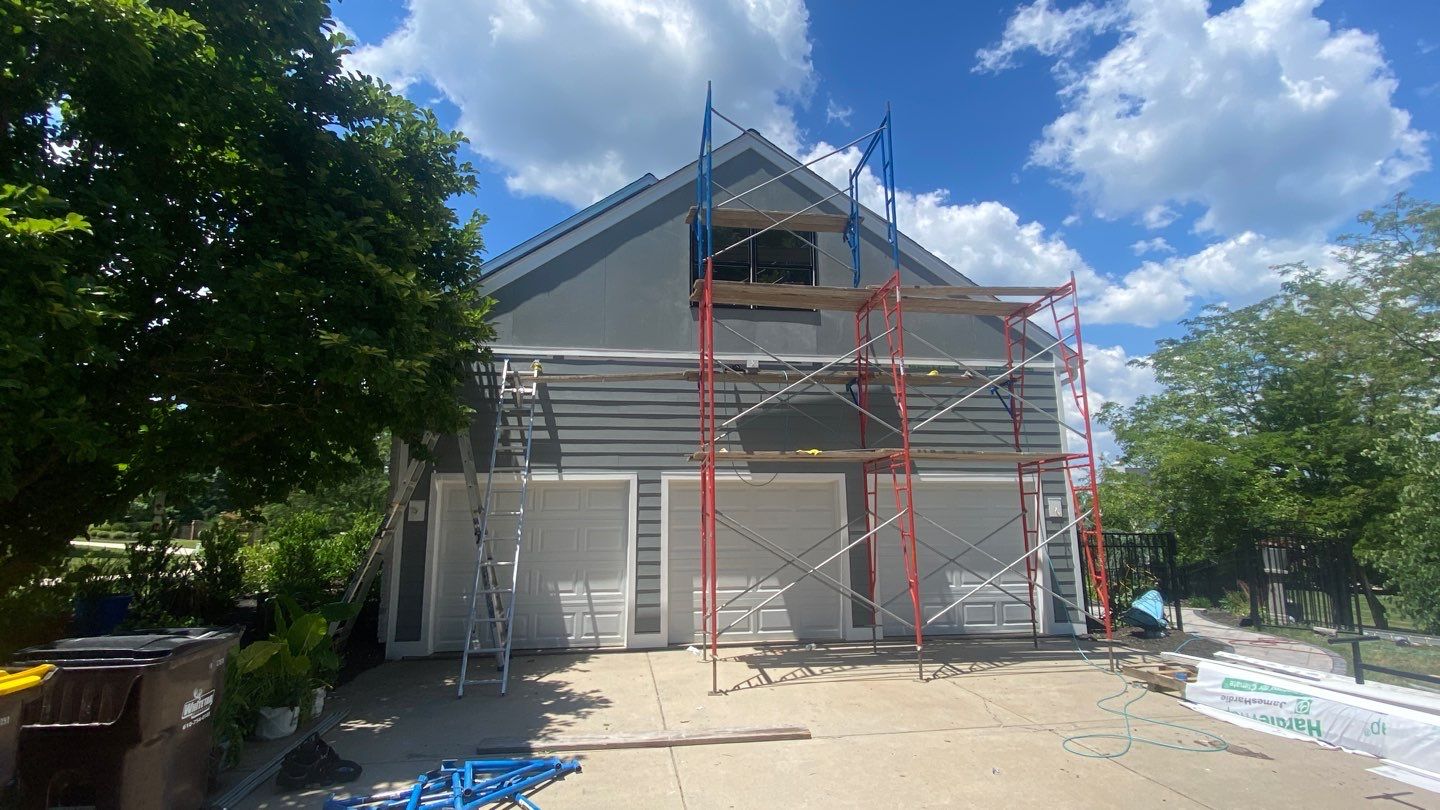
- Multiple Stories and Dormers: Upper-story dormers require specialized safety rigging and delicate panel removal near roofing materials.
- Complex Corners and Additions: Split-levels and expanded Colonials feature multiple wall intersections, transition flashings, and custom trim work.
- Historic Trim Details: Preserving the architectural character of older homes in Delaware County, Chester County, or South Jersey often requires custom aluminum cladding or specialized HardieTrim details around soffits and gables.
What Should Be Included in a Detailed Siding Quote?
To avoid mid-project price spikes, never accept a one-page, high-level estimate. A transparent, professional quote should break down:
- Exact containment protocols, on-site management, and asbestos disposal procedures
- Permits and municipal regulatory fees
- Wall preparation, including weather-resistive barrier specs and explicit allowances for sheathing repairs
- Specific product lines, colors (such as James Hardie ColorPlus Technology), profiles, and trim materials
- Detailed warranty coverage for both installation workmanship and materials
- A clear, pre-stated clause explaining how hidden structural damage will be documented and priced if uncovered
Before signing, ask contractors: What assumptions did you make about my wall sheathing? What is explicitly excluded from this price? How do you handle scope changes if rotted wood is found?
Why the Installer Matters as Much as the Product
Removing asbestos siding and rebuilding an exterior wall requires experienced hands. Porter Family Exteriors is a certified James Hardie Elite Contractor, a designation you can verify directly on James Hardie’s contractor locator.
We are also the only company in the Northeast to win both the James Hardie President’s Club and the James Hardie Service Excellence Award two years running. President’s Club reflects the highest install volume in the Northeast, while Service Excellence reflects top-tier customer satisfaction. Winning both consecutively means our volume never comes at the expense of safety, quality, or site communication.
Frequently Asked Questions
Is it safe to leave asbestos siding on my home?
Asbestos siding is generally harmless as long as it remains intact and undisturbed. However, as it ages, panels become brittle, chip, or crack. Damaged siding can release fibers and should only be evaluated and handled by trained professionals.
Can you put new siding directly over asbestos siding?
While some contractors offer to cap over asbestos siding with vinyl, we do not recommend it. Capping hides existing moisture damage, prevents proper wall leveling, and can complicate future exterior repairs or home sales. Complete removal provides a clean, structurally sound substrate.
How long does asbestos siding removal take?
Timeline varies depending on home size, complexity, and wall repair requirements, but handling materials safely and properly wrapping the building envelope takes time. A detailed walkthrough and site assessment will give you an accurate schedule for your specific project.
Where does removed asbestos siding go?
Asbestos siding cannot be thrown into standard construction dumpsters. It must be sealed in heavy poly containment bags and transported by licensed haulers to dedicated hazardous material landfills.
What are the best replacement materials for asbestos siding?
We primarily recommend James Hardie fiber cement siding for its durability, fire resistance, and 30-year non-prorated warranty. Premium vinyl siding is also a strong budget-friendly option once the wall substrate is properly leveled and prepared.
Schedule a Thorough Exterior Evaluation
Porter Family Exteriors has been helping local homeowners navigate complex exterior renovations across southeastern Pennsylvania and South Jersey since 1976. We serve Delaware, Chester, Montgomery, and Bucks Counties in PA, as well as Camden, Burlington, and Gloucester Counties in NJ.
Explore our detailed process for removing asbestos siding, download our free James Hardie Siding Guide, or contact our team today to schedule an in-depth walkthrough. We will inspect your existing siding, explain what needs to happen to the substrate underneath, and provide a detailed, written scope for your project.