

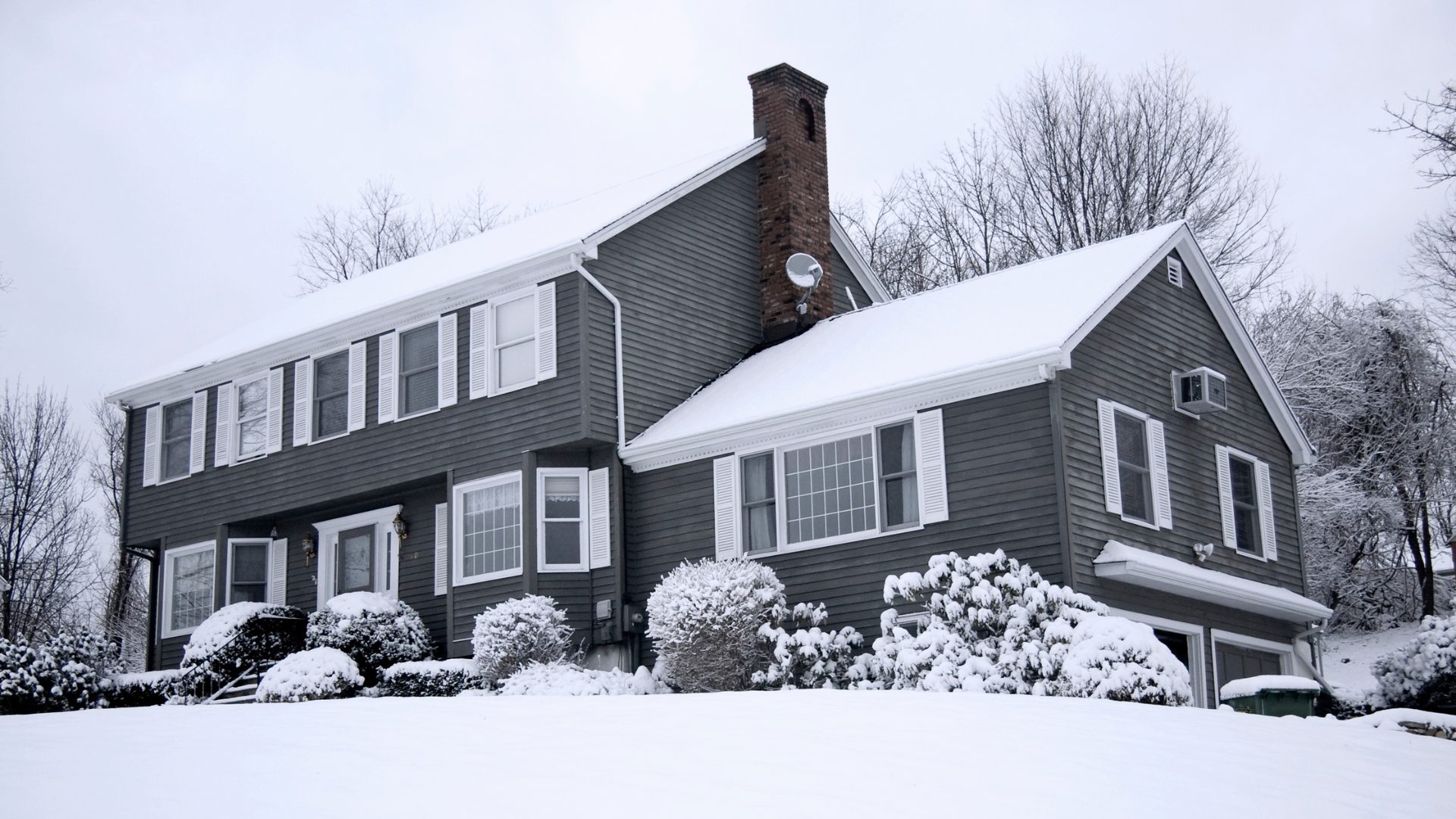
Winter in Pennsylvania can be tough on your roof—heavy snow, freezing temps, and all those freeze-thaw cycles can really take a toll. The good news? A little prep now can save you a lot of costly hassles later. With just a few simple maintenance steps, you can help protect your home and avoid costly surprises. Let’s walk through some common questions homeowners have about getting their roofs winter-ready before the cold and snow roll in.
FAQs about Preventative Roof Maintenance Before Winter
How do I prepare my roof for the winter?
- Inspect your roof – Conduct a visual check from the ground, or hire a professional for a comprehensive inspection during the fall. Look for missing, cracked, or damaged shingles, as well as sagging areas. A professional inspection can also identify soft spots in your roof decking.
- Clean and check your gutters – Ask someone to spot you, climb a ladder, and carefully remove all leaves, sticks, and debris from your gutters and downspouts. If you’re not comfortable doing this, hire someone. Clogged gutters prevent proper drainage, which can lead to damaging ice dams when water freezes.
- Have your flashing and sealants inspected – Hire someone to check the flashing around your chimney, skylights, and vents. Look for any cracks or gaps that could allow water to seep in. These can shift or corrode over time due to temperature changes.
- Trim overhanging branches – Cut back any tree branches that are hanging over your roof. Heavy ice and snow can cause them to break and fall, damaging your roof.
- Check your attic – Inspect your attic for signs of moisture intrusion, roof leaks, or ventilation issues. Your attic’s condition is directly related to potential roof problems like ice dams. Keeping attic space well ventilated is vital to the health and longevity of your roof, so ensure there are no moisture issues, rot, or pests in your attic.
What is an ice dam, and how do I prevent it?
An ice dam is a ridge of ice that forms at the edge of your roof and blocks melting snow from draining off. The water trapped behind an ice dam can seep under your shingles and cause costly leaks.
To prevent ice dams, ensure your attic is properly insulated to keep heat from escaping and melting the snow on your roof. You can also have your roofer install ice and water shield membranes during a re-roofing project or have heating cables installed in problem areas.
When should I clean my gutters?
It is essential to clean your gutters in the fall, before the first freeze hits our area. This prevents debris from clogging your drainage system. Why is that vital? Clogged gutters are key contributors to unwanted ice dam formation. They also contribute to water backing up and permeating your roof decking, which can cause leaks. So, don’t underestimate the importance of gutter care before winter! Gutters may be small, but their function is vital to your roof’s longevity.
FAQs about Roof Maintenance During Winter
How do I know if the snow on my roof is a problem?
A healthy roof can handle some dry, powdery snow. But wet, heavy snow poses a greater risk. In the Philadelphia area, a heavy, single snowfall is a big concern. Signs of a problem include:
- Have you heard popping or cracking noises from your attic? The noises you hear are likely caused by the thermal expansion and contraction of building materials as temperatures change, particularly when snow melts and refreezes. They can also occur due to the pressure of heavy snow. If the noises are frequent, or accompanied by roof sagging, contact a roofer promptly.
- Do you notice sagging in your roofline or ceiling? A sagging roof is a big hazard. It indicates structural instability, which can lead to a complete roof collapse and put you and your family at risk of serious injury. Contact a roofer immediately and schedule an inspection. You’ll need a new roof to ensure your home’s integrity is intact.
- Are you spotting severe roof leaks or water stains on your ceilings and walls? Contain the leaks indoors, document any damage, and call a roofer promptly, as repairs are unsafe to perform yourself in snowy conditions. A contractor can assess the damage and determine the necessary repairs.
How do I safely remove snow from my roof?
It can be dangerous to one’s health to remove even a little snow if you aren’t in excellent shape. For heavy snow and high pitch roofs, it is best to hire a professional. They will use a long-handled roof rake from the safety of the ground to remove the snow from your roof. They should start from your roof’s edge and work their way up, leaving a thin layer of snow on your roof to avoid damaging roofing shingles.
What are signs of an ice dam?
- The presence of large icicles along your roofline, especially with thick ice buildup, can indicate an ice dam.
- Water stains on interior ceilings or walls, or peeling paint and bubbling drywall, are common signs of water damage from an ice dam.
- Warped or sagging gutters can also be caused by the weight of an ice dam.
Can a professional roofer make repairs during the winter?
Yes, repairs are possible during the winter, but they require specialized techniques and materials that can hold up in colder temperatures. It is generally recommended to address urgent issues like leaks or missing shingles immediately, rather than waiting for spring.
Ensure Your Home Is Well Protected with a Roof That Is Ready for Winter

Uncertain about your roof’s condition? We understand. At Porter Family Exteriors, since 1976 we have renovated thousands of homes in the Philadelphia area.
We are proud to be among the 2% of roofing companies nationwide that hold a GAF Master Elite Roofing Contractor title. We install premium GAF roofing right the first time. Discover how our roofing services can ensure your home is well protected, and comfortable throughout winter and beyond!


