When you realize your home is covered in siding that contains asbestos, it can feel alarming. Contacting a team of experts with training in the safe removal and disposal of asbestos siding is highly recommended. Here are the ins and outs of asbestos siding, what to do if your home is covered in it, and what to replace it with!
Asbestos Siding 101
Asbestos is a naturally occurring silicate mineral that is pulled into a fibrous material. It was known for being resistant to heat and fire and has great insulating properties, which is why it was so popular as a building material until the 1980s—when its negative properties were made evident.
How to identify asbestos siding
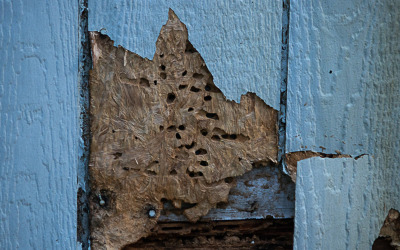
- What it looks like: Asbestos-containing siding typically has low vertical grooves. It is layered on a home with each row of siding overlapping the row just below it. It is usually punctured with 2-3 nails around its border. When it breaks, the siding tiles are rough and sharp on the damaged edge.
- What it’s shaped like: Asbestos-containing siding was generally manufactured in 12-inch by 24-inch shingles.
- What it sounds like: When you tap asbestos siding, it creates a sharp sound similar to the sound of tapping on a ceramic tile.
- What it’s made of: Asbestos siding is made of cement and asbestos fibers, creating a solid mass. It binds and strengthens the cement, making it a durable and fireproof building material.
- When it was used: If your home was built between before the 1980’s, it likely is covered in asbestos-containing siding.
- How to identify if you don’t have asbestos siding: A key indicator that you’re siding does not contain asbestos is by checking the manufacturing code, which is usually stamped on the back of asbestos-free siding shingles.
What is the best solution if you have asbestos siding?
While there are some DIY home projects that are advantageous to conquer on your own, removing asbestos siding isn’t one of them. If you have asbestos siding, you have two choices: to cover your siding with another material or to have it safely removed from your home by professionals, and replaced with a safe, reliable, siding material.
Asbestos-containing siding can negatively impact your home’s resale value due to its look and its risks. While wood siding can be sanded, repainted, and refinished, asbestos siding can’t. It’s tough to find replacement siding for worn-out asbestos-containing siding.
At Porter Family Exteriors, we are trained and certified as a James Hardie Elite Preferred contractor, and we highly recommend replacing your asbestos siding with trustworthy James Hardie siding.
Get Safe Removal of Your Asbestos Siding (and Replace It with America’s Top Siding Choice!)
Most contractors won’t remove asbestos siding. They simply cover it up with another siding material. At Porter Family Exteriors, we are experienced and trained in the safe removal and disposal of asbestos siding. We have a project manager on site from start to finish during your siding removal to ensure everything is done properly.
We recommend you consider replacing your asbestos siding with durable, high-performance James Hardie fiber cement siding, ensuring you have peace of mind that your home is safe and well-protected for up to 50 years. Hardie siding is not only water-resistant and pest-resistant but also low maintenance and beautiful!
Learn more about how we safely remove asbestos siding from your home. And learn more about our expert James Hardie siding installation services.